
The Ultimate Guide to Pet Transport: Fascinating Facts, Travel Trivia, and Stress-Free Journeys
When you are planning to relocate internationally, go on an extended European holiday, or simply move across the United Kingdom, the logistics of moving your furry family members can easily become the most overwhelming part of the process. In recent years, the industry surrounding Pet Transport has evolved dramatically, shifting from basic cargo freight services to highly specialized, luxury chauffeur experiences.
But how much do you truly know about what goes into moving a pet safely across borders? In this massive, comprehensive guide, we are going to explore the fascinating world of animal travel, the biology behind their travel anxiety, and the incredible logistics that make modern border crossings possible.
Throughout this guide, we will share mind-blowing “Did you know” facts that will completely change the way you view international animal relocation. Grab a cup of coffee, sit back, and discover everything you need to know about the safest ways to travel with your pets.
The Fascinating History and Evolution of Animal Travel
Before we dive into modern VIP pet taxis and Eurotunnel crossings, it is essential to understand how far we have come in the realm of animal transportation. For decades, pets were treated merely as cargo, loaded into the bellies of loud ships and airplanes with little regard for their psychological well-being. Today, pet owners demand better, and the industry has answered.
Did you know that the first animals to ever travel in a hot air balloon were a sheep, a duck, and a rooster? In 1783, the Montgolfier brothers sent these animals into the sky to test the effects of altitude before allowing humans to fly.
Did you know that the most famous animal traveler in history was a stray dog from Moscow? Laika made history in 1957 as the first animal to orbit the Earth. While early space and air travel paved the way for modern transportation, it also highlighted the extreme physical and psychological stress that animals endure in unfamiliar, high-pressure environments.
Today, we no longer put animals through such terrifying ordeals. Modern road transport focuses entirely on eliminating the cargo experience. By choosing a ground-based chauffeur service, you ensure your pet remains on solid ground, free from the extreme pressure changes, deafening engine noises, and drastic temperature fluctuations associated with commercial flights.
The Biology of Travel: Understanding Canines on the Road
To fully appreciate why professional, ground-based Dog transport is the safest method for moving your canine companion, we must look at the biological makeup of a dog. Dogs process the world entirely differently than humans do, which means a journey that seems slightly inconvenient to us can be a sensory nightmare for them.
Did you know that a dog’s sense of smell is between 10,000 and 100,000 times more sensitive than a human’s? When a dog is placed in an airplane cargo hold or left alone on a maritime ferry deck, they are bombarded by the overwhelming scents of jet fuel, exhaust fumes, unfamiliar animals in distress, and industrial cleaning chemicals. This sensory overload triggers massive spikes in cortisol, the stress hormone, leading to severe anxiety.
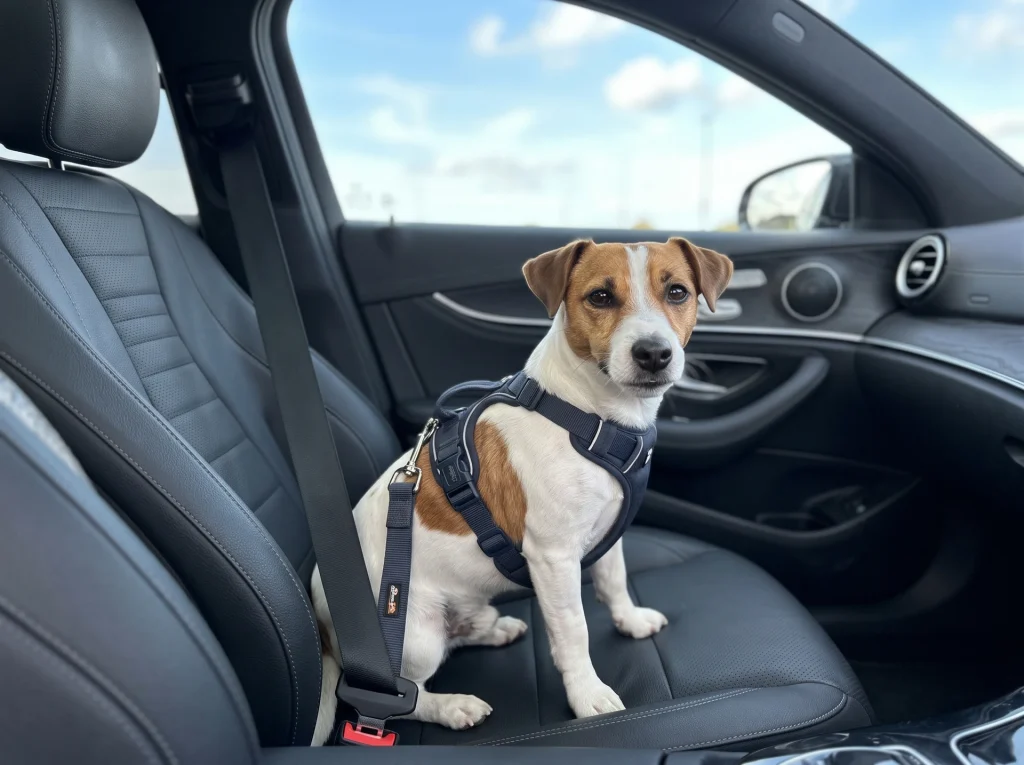
Did you know that dogs can physically “smell” your emotions? When a dog travels with you in the back seat of a luxury pet taxi, they can smell your pheromones. If you are relaxed and calm, your scent communicates to your dog that they are safe. This is why the “owner-accompanied” travel model is so revolutionary. By traveling together, you act as a biological anchor for your pet.
Did you know that certain dog breeds, known as brachycephalic (flat-faced) breeds, are anatomically incapable of flying safely? Breeds like English Bulldogs, French Bulldogs, Pugs, and Boston Terriers have elongated soft palates and narrowed airways. The stress and temperature changes in an airplane cargo hold can easily cause respiratory distress. For these breeds, a specialized, climate-controlled road vehicle is not just a luxury—it is an absolute medical necessity.
When you book a dedicated road transport service, your dog benefits from custom climate zones, fresh air circulation, and the ability to take regular comfort breaks on solid grass. They are not locked in a crate for 12 hours straight. Instead, they enjoy a scenic road trip with their favorite human by their side.
The Psychology of Felines on the Move
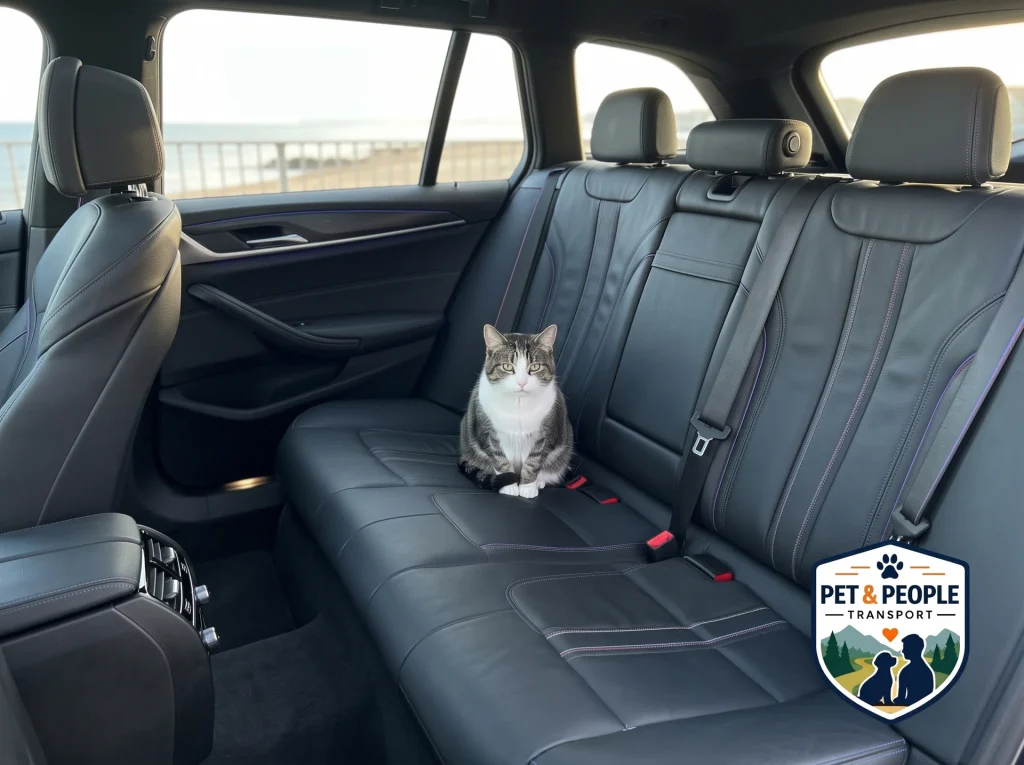
Cats are famously independent, deeply territorial, and creatures of strict routine. While dogs often view a car ride as a fun adventure, cats view it as a disruption to their carefully curated territory. This makes professional Cat Transport a highly specialized skill that requires patience, understanding, and specialized equipment.
Did you know that cats have a highly sensitive vestibular system located deep within their inner ear? This system is what allows them to always land on their feet, but it also makes them incredibly susceptible to motion sickness. A bumpy ride, rapid acceleration, or the swaying of a ferry boat can cause a cat to become severely nauseous and disoriented.
Did you know that a cat’s whiskers are deeply connected to their nervous system? These tactile hairs are so sensitive that they can detect minute changes in air currents. Placing a cat in a noisy, drafty environment (like an airport terminal or a ship’s cargo hold) can cause “whisker fatigue,” a condition that leads to extreme distress and overstimulation.
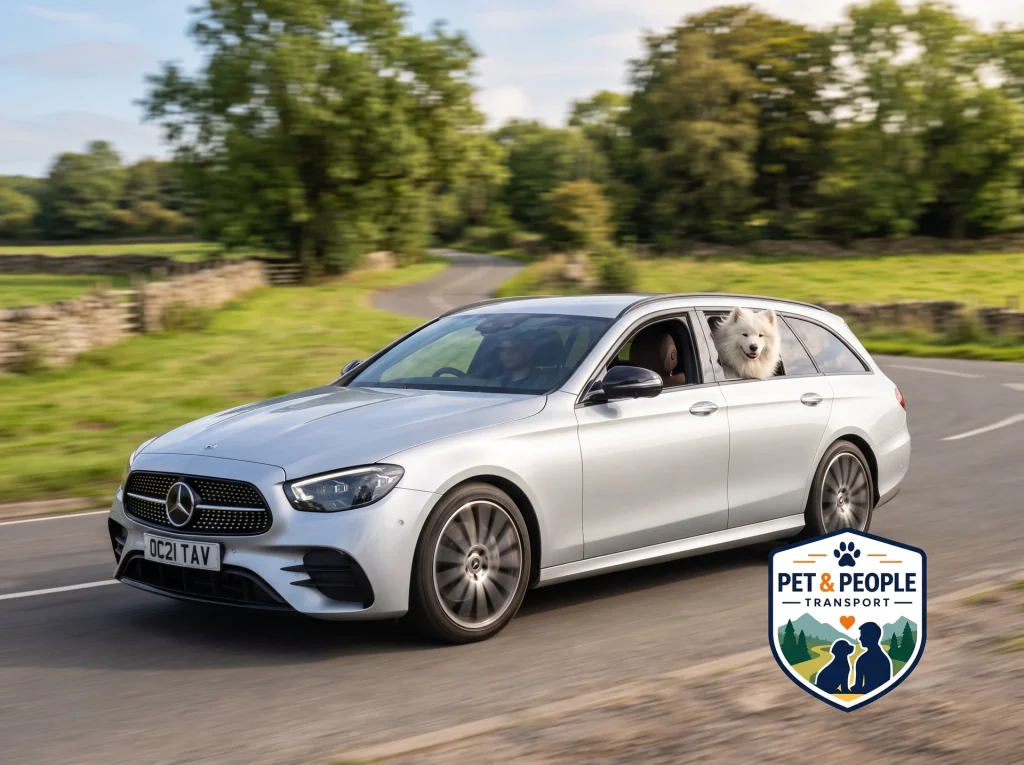
To combat these biological challenges, luxury feline transport utilizes exceptionally smooth, executive vehicles. The suspension of these high-end Mercedes vehicles absorbs road vibrations, protecting the cat’s delicate inner ear. Furthermore, cats are provided with secure, darkened travel spaces.
Did you know that covering a cat’s carrier with a breathable, dark blanket mimics the feeling of hiding in a safe den? By reducing visual stimuli, the cat’s brain naturally lowers its defensive reactions, allowing them to sleep through the majority of the journey from the UK to Europe.
The Eurotunnel Miracle: The Ultimate Route for Pet Parents
If you are traveling between the United Kingdom and mainland Europe, you must cross the English Channel. Historically, this meant taking a ferry. However, the introduction of the Eurotunnel (Le Shuttle) fundamentally transformed the pet relocation industry.
Did you know that the Eurotunnel is officially the most pet-friendly border crossing in the world? Since it opened, over 3 million pets have successfully traveled through the tunnel between Folkestone and Calais.
Did you know that on a standard ferry crossing, maritime law dictates that you must leave your pet completely unattended on the vehicle deck? During the 90-minute crossing, car alarms frequently go off, the ship vibrates heavily, and the temperature can fluctuate wildly. Pet owners are strictly forbidden from going down to the deck to check on their animals, leading to immense separation anxiety for both the human and the pet.
Did you know that the Eurotunnel crossing takes exactly 35 minutes, and your pet never leaves your side? Your luxury pet taxi simply drives onto the train. You remain inside the climate-controlled vehicle with your dog or cat. You can give them treats, pet them, and talk to them while the train speeds under the English Channel. There is zero separation anxiety, zero exposure to the elements, and zero stress.
Did you know that both the Folkestone and Calais Eurotunnel terminals feature dedicated “Pet Reception” centers? These areas are specifically designed to make border checks fast and efficient. They even feature designated exercise areas with artificial grass, agility equipment, and complimentary waste bags so your dog can stretch their legs before getting back into the vehicle.
Post-Brexit Paperwork: Trivia and Facts About Customs
Perhaps the most daunting aspect of international pet transport today is the paperwork. Since Brexit, the United Kingdom is treated as a “Part 2 Listed Third Country” by the European Union. This has resulted in a massive overhaul of the rules governing animal movement.
Did you know that the traditional UK-issued EU Pet Passport is no longer valid for travel into Europe? Many pet owners find this out the hard way at the border. If you reside in the UK, you must now obtain an Animal Health Certificate (AHC) from an Official Veterinarian (OV).
Did you know that an Animal Health Certificate is over 10 pages long, must be issued within 10 days of your travel date, and is only valid for a single entry into the EU? The paperwork is incredibly complex, and a single missing signature or incorrectly formatted date can result in border agents turning you away.
Did you know that your pet’s microchip must be implanted BEFORE their rabies vaccination is administered? If the vet administers the rabies shot and then implants the microchip on the same day, but records the chip second, European border control will invalidate the entire vaccination, forcing you to start the 21-day waiting period all over again.
Did you know that if you are bringing a dog back into the UK from mainland Europe, they must be administered a specific tapeworm (Echinococcus) treatment? This treatment must be given by a licensed vet no less than 24 hours and no more than 120 hours before you reach the UK border. If you miss this highly specific window, your dog will be placed in quarantine at your expense.
This is exactly why hiring a professional transport service is so vital. Top-tier companies offer comprehensive pre-travel document audits. They review your AHC, vaccination records, and microchip certificates weeks before departure to guarantee 100% border compliance.
Preparing Your Pet for the Ultimate Road Trip
While your chauffeur will handle the driving and the paperwork, there are fascinating psychological tricks you can use to prepare your pet for their big international move.
Did you know that dogs and cats associate travel crates with negative experiences (like going to the vet) because we only bring the crates out on travel days? To counter this, experts recommend “crate conditioning.” Bring the travel crate into your living room a month before the trip. Leave the door open, put their favorite treats inside, and feed them their daily meals in the crate. This reprograms their brain to view the crate as a safe, rewarding space.
Did you know that synthetic pheromones can dramatically reduce travel anxiety? Products like Adaptil (for dogs) and Feliway (for cats) mimic the natural calming pheromones released by nursing mothers. Spraying these inside the travel vehicle 15 minutes before departure acts as an invisible, natural sedative, helping your pet relax without the need for dangerous prescription medications.
Did you know that feeding your pet a large meal before a road trip actually increases their heart rate and anxiety? Digestion requires a massive amount of blood flow and energy. When a pet travels on a full stomach, they are highly prone to motion sickness. It is always best to travel on an empty or very lightly fed stomach, providing plenty of fresh water instead.
The Future of Pet Relocation is Owner-Accompanied
The era of shipping our best friends in cargo holds is coming to an end. As we learn more about animal psychology and the deep emotional bonds we share with our pets, the demand for humane, stress-free travel options has skyrocketed.
Did you know that over 70% of modern pet owners consider their dogs and cats to be equal members of the family? When you view your pet as family, putting them in a dark airplane belly simply isn’t an option.
Owner-accompanied pet transport represents the pinnacle of modern animal relocation. It combines the luxury of an executive chauffeur service with the peace of mind of veterinary-level care and attention. You don’t have to worry about flight cancellations, lost baggage, or temperature embargoes. You simply pack your bags, step into a premium vehicle, and enjoy a seamless, comfortable journey from your old front door to your new one.
Whether you are relocating to the sunny coasts of Spain, the bustling streets of Paris, or moving back home to the United Kingdom, your pet deserves to travel with dignity, safety, and comfort. Say goodbye to separation anxiety and hello to the VIP road trip experience.
Frequently Asked Questions (FAQ)
1. What is the safest way to transport a pet internationally?
Ground-based transport using a dedicated, climate-controlled pet taxi is universally considered the safest method. It avoids the extreme temperatures, loud noises, and separation anxiety associated with airline cargo holds.
2. Can I travel in the vehicle with my dog or cat?
Yes! The best luxury pet transport services offer owner-accompanied travel. You ride in the back seat alongside your pet, ensuring they remain calm and completely free from separation anxiety during the entire journey.
3. Do pets need a passport to travel between the UK and Europe?
Following Brexit, UK-issued EU Pet Passports are no longer valid for travel to the EU. Instead, pets traveling from the UK to Europe require an Animal Health Certificate (AHC) issued within 10 days of travel. EU citizens with an EU-issued Pet Passport can still use it to enter the UK.
4. How does the Eurotunnel work for pets?
The Eurotunnel Le Shuttle is a car train that runs under the English Channel. Your pet transport vehicle drives onto the train, and you and your pet remain safely inside the car for the entire 35-minute journey, completely avoiding the stress of ferry boat decks.
5. Are snub-nosed (brachycephalic) dogs allowed to travel by road?
Absolutely. While many airlines ban flat-faced breeds (like Pugs, French Bulldogs, and Persian cats) due to respiratory risks in the cargo hold, ground transport in a climate-controlled vehicle is entirely safe and highly recommended for these breeds.
If you are planning travel and need to get your pet safely to the UK, let us handle the drive!
Your pet’s safety and comfort are our top priorities. Start planning their safe relocation across the UK and Europe today!